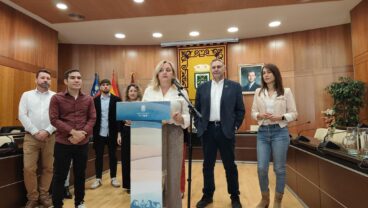
The Calp City Council has approved in its ordinary plenary session in June, with the votes of the governing team (We are Calpe, PSPV y Commitment) a motion presented by the Development Somos Calpe, which warns about the serious problems arising from massive influx that the municipality suffers during peak season. The proposal, as reported by the mayor's party Ana Sala, "has the support of the Municipalist Union, given that Sala holds the position of National Secretary of Tourist Municipalities in this group."

In its argument, the motion states that with a registered population of 27.616 inhabitants, according to the figure estimated for January 1, 2025, the town sees its population multiply in the summer months, which generates an overload on infrastructure, public services and natural resources.
According to the approved text, this "seasonal overcrowding" puts excessive pressure on basic supplies such as water and electricity, as well as on cleaning, security, and healthcare services. All of this, according to the motion, hampers efficient management and negatively impacts both the quality of life for residents and the experience for tourists.
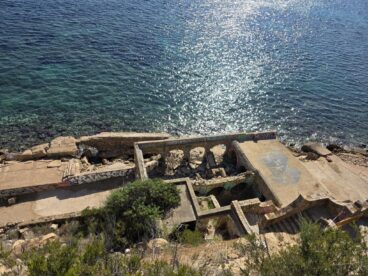
One of the most sensitive points is the conservation of the beachesThe motion denounces the "lack of financial resources" for environmental regeneration projects and criticizes the dependence on the regional body responsible for their management. As an example of the deficiencies in the services provided, it mentions the scarcity of infrastructure such as foot showers, whose installation is insufficient despite the town council's "repeated demands."
Furthermore, the text highlights the "complex coastal regulations," which impose obstacles when implementing coastal improvements, and criticizes the fiscal restrictions imposed by state legislation. The party believes that the spending rule, conceived in the context of economic containment between 2011 and 2015, has become a burden for municipalities. "It is illogical for local governments to liquidate their budgets with millions of dollars in surpluses without being able to freely allocate them to address priority needs," the motion denounces.
The approved proposal includes several agreements, including urging the central and regional governments to review tax regulations and make them more flexible for tourist municipalities, requesting more funding for beach conservation, demanding greater jurisdictional autonomy, and the creation of an extraordinary fund to finance the costs arising from temporary population growth. It also calls for greater representation of tourist towns in decision-making bodies and the opening of an institutional debate on tourism financing.
"We cannot allow supra-local regulations to paralyze municipal management, especially when we are already subject to strict oversight by the Ministry of Finance," states the approved text, which emphasizes the need for a specific framework so that towns like Calp can address the impact of tourism without compromising sustainability or the well-being of their residents.
The points of the agreement approved by the plenary session are reproduced below:
- Urge the central and regional governments to review tax regulations and spending rules to make them more flexible for tourist municipalities, such as Calp, which experience significant population growth during the high season. This will ensure sufficient resources are available to guarantee the quality of public services.
- Request an increase in funding for beach regeneration and conservation, with special attention to projects that promote sustainability and environmental protection. We ask the Regional Ministry of Tourism and Environment to provide the necessary resources to maintain the quality of our beaches and the tourist appeal of Calp.
- Demand greater autonomy in the management of resources and powers for tourist municipalities, in order to make decisions quickly and tailored to our needs. We propose the creation of a specific framework that allows for more effective management of tourism resources at the local level.
- Request the creation of an extraordinary fund for tourist municipalities like Calp, intended to finance the costs arising from the increase in seasonal population, the expansion of public services, and the implementation of regeneration projects.
- Demand greater representation of tourist municipalities in tourism decision-making bodies, so that our communities can be better heard and considered in regional and national tourism policies.
- Promote a debate at the regional and national levels on the financing of tourist municipalities, with the aim of establishing fairer and more efficient policies that allow tourist destinations like Calp to address the challenges arising from tourism without compromising the quality of life of their inhabitants.