The Pego Viu collective has reported on the work carried out during August in the Vall d'Ebo as part of a project that studies and applies different land management approaches. Among these is the utilization of the Extensive livestock farming to control and maintain vegetation in selected areas and contribute to the work of fire prevention forestry.
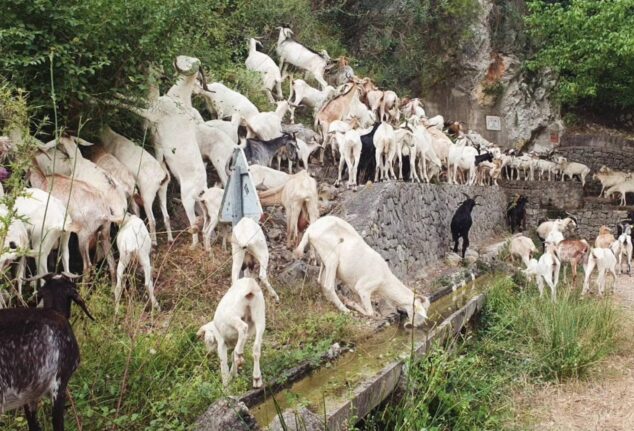
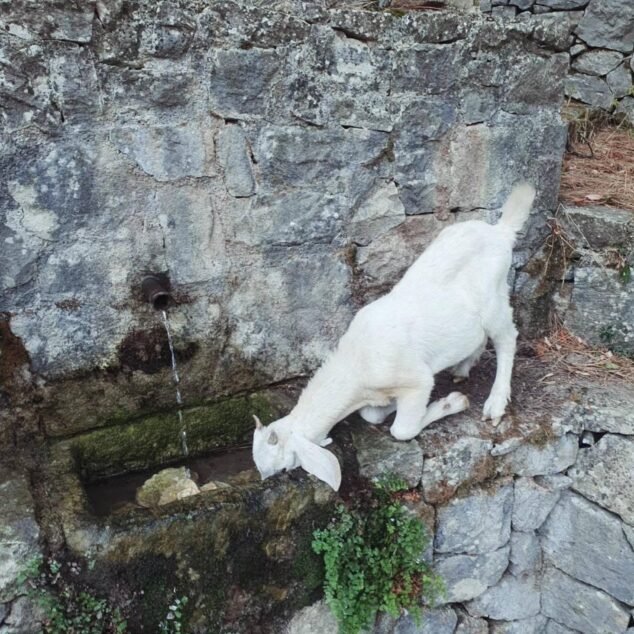
One of the shepherds participating in the project has been working in this municipality during August with his flock of goats. The animals are grazing in specific areas where the aim is to reduce vegetation and subsequently maintain its condition as part of the preventative measures being carried out in the municipality.
Pego Viu emphasizes that Grazing is not conceived as an isolated intervention, nor does it simply consist of leaving the animals on the land.The areas where action is desired are planned in advance and the work is coordinated with the shepherds to adapt the management of each flock to the specific characteristics of the place.
Vegetation, water, and access conditions affect the work of the flocks.
The use of livestock requires taking into account different variables. The state of the vegetation, the time of year, water availability, access to the land, and the characteristics of the flock itself determine how grazing can develop in each area..
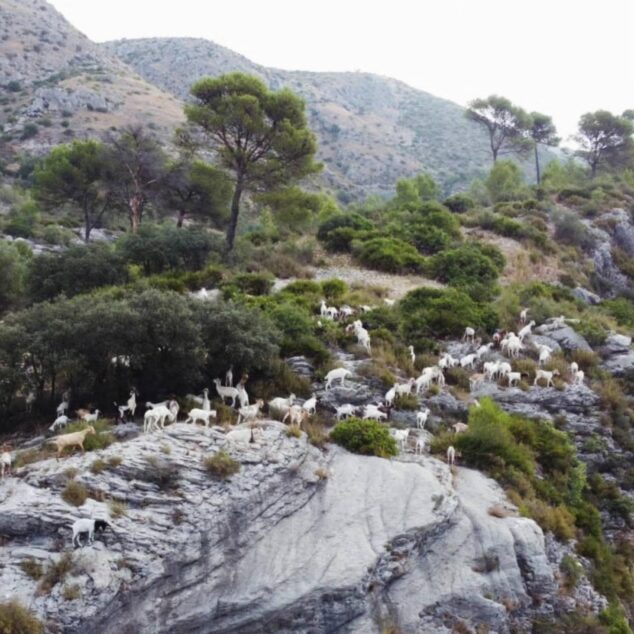
This planning allows directing the animals' actions towards those areas where it is considered necessary to reduce or maintain vegetation, integrating grazing within a broader forest and territorial management strategy.
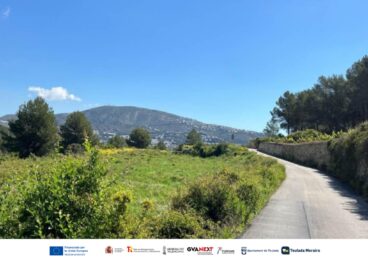
In Vall d'Ebo, the work continues in the firebreak area of Font d'en Gili-Les VerdalesThe project works both on the maintenance of areas that had already been grazed previously and on the incorporation of new areas.
Livestock infrastructure, water points and agroforestry restoration
The intervention in these spaces, however, does not end with the passage of the flocks. The project also includes livestock infrastructure, water points and agroforestry and restoration work dry stone.
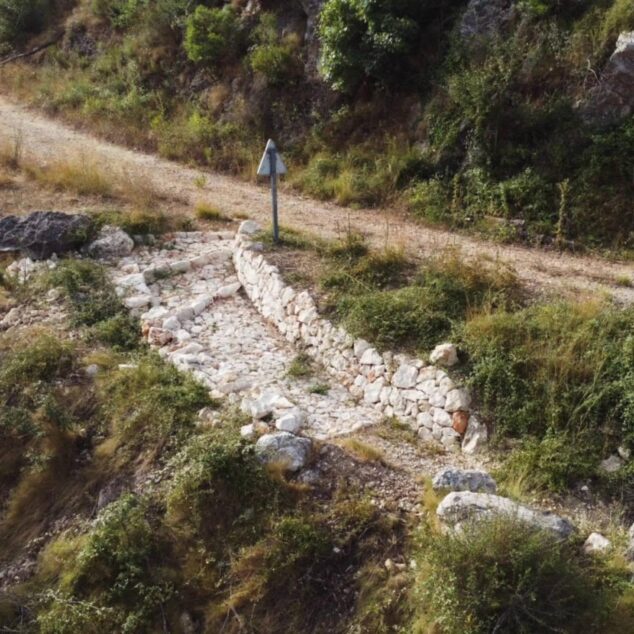
These actions include the restoration of one of the area's paths. According to information provided by Pego Viu, the work began last year under the direction of Ivana, a professional specializing in the construction and restoration of margins of dry stoneand will continue this year with another professional in the field.
The performance reflects the diversity of profiles involved in the project. Shepherds, livestock farmers, dry stone professionals and other specialists contribute their work and specific knowledge to carry out the various planned interventions. Pego Viu emphasizes that the project allows for the contracting of these professional services to develop the different actions across the territory.
Performances also in Pego, l'Atzúbia and la Vall d'Alcalà during 2026
The scope of work is not limited to Vall d'Ebo. During 2026, actions are also being carried out in Pego, l'Atzúbia and Vall d'Alcalà, thus extending this intervention model to different municipalities in the area.
The project seeks to continue exploring and evaluating how extensive livestock farming, combined with other agroforestry management practices, can contribute to vegetation control and the prevention of forest fires.
The intention is for grazing to function as one more tool within a broader management of the territoryand not as a standalone solution. In this way, the presence of livestock is combined with actions related to infrastructure, water availability, agroforestry restoration, and the conservation of traditional elements linked to the landscape, such as the work of dry stone.
The performances are contracted by the respective municipalities and financed by the Provincial Council of AlicanteThe works are part of the 2026 call for proposals for the improvement of the comprehensive management of municipal forest lands through extensive livestock farming.
In this way, the participating municipalities develop actions that combine vegetation management through herds with other agroforestry and land recovery interventions, while the project allows for on-the-ground evaluation of the role that extensive livestock farming can play within fire prevention strategies.